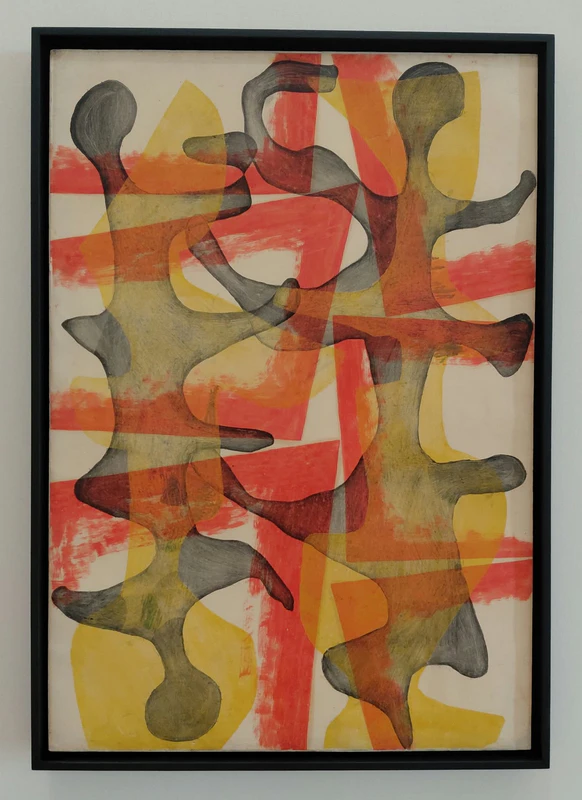
Maria Jarema’s Fractured Modernism at MSN Warszawa
I had always known Maria Jarema as Tadeusz Kantor’s close collaborator and the visionary behind the visual identity of Kraków’s avant-garde Cricot and Cricot 2 theatres. However, this exhibition allowed me to discover a body of work and a worldview that extended far beyond the confines of the stage.
Thanks to the Fractured Modernism retrospective at the Museum of Modern Art in Warsaw (MSN Warszawa), I discovered not only Jarema’s distinct artistic vocabulary but also the profound convictions that drove both her life and her art. She emerged as a truly fascinating personality—bold, fierce, and entirely uncompromising. It is a sad reality that outside the immediate art world, few remember her today, which is precisely why I am so glad MSN Warszawa has brought her back into the spotlight with this timely exhibition.
Maria Jarema (1908–1958) was undoubtedly one of the most remarkable forces of the Polish interwar and post-war avant-garde, deeply woven into Kraków’s creative fabric. Born in Stary Sambor, she grew up in a household steeped in the arts: her father, Józef Jarema, was a lawyer, while her mother, Stefania (née Śmigielska), was a conservatory-trained musician. Her two brothers similarly dedicated their lives to culture: Józef became a painter, and Władysław worked as an actor, director, and founder of Kraków’s Groteska Theatre.
Jarema went on to study sculpture under the tutelage of Xawery Dunikowski at the Kraków Academy of Fine Arts, carving out a practice that seamlessly bridged sculpture, painting, and scenography. In the 1930s, alongside her peers from the Academy, she co-founded the radical Kraków Group. Driven by a desire to redefine the city’s cultural identity, they threw down the gauntlet to the conservative tastes of Kraków’s bourgeois salons. The collective campaigned passionately for absolute artistic freedom, open access to the Academy, and social welfare for artists.
Yet Jarema’s radicalism was not confined to aesthetics; she held fierce left-wing views, writing incisively about social inequality and advocating for the empowerment of rural women—championing their right to self-determination and reproductive freedom. In 1937, her involvement with the International Red Aid (MOPR) brought political repression. Undeterred, she remained highly active during the German occupation through the underground art scene, the Main Welfare Council (RGO), and the clandestine communist group Polska Ludowa . Following the war, when the regime demanded adherence to state-imposed Socialist Realism, Jarema flatly refused. She chose to withdraw from official, state-sanctioned art circles, though she never stopped creating. In the 1940s, she joined the Young Artists Group, and in the 1950s, she co-founded the revived Kraków Group II alongside Tadeusz Kantor and others. She died in 1958, aged just 50.
To the wider world, Maria Jarema remains best known for her intense creative partnership with Tadeusz Kantor. While her brother, Józef, was the first to join Kraków’s original Cricot Theatre, Maria began working with the company shortly after her debut in 1933. After the war, she and Kantor breathed new life into the venture, reviving it as Cricot 2. Here, she designed sets and costumes, and even stepped into the limelight as an actress. Her theatrical innovations, however, reached back to the interwar years, when she designed puppets and sets for Adam Polewka’s satirical puppet theatre, which staged politically charged nativity plays for working-class audiences.
The MSN exhibition beautifully mapped her creative trajectory alongside the figures who inspired her, most notably Henri Matisse. A reproduction of his 1942 painting, Young Woman in Pink , underscored a shared fascination with bold colour and a distinct, non-representational language that she deeply admired. Jarema was also drawn to the seismic movements of her era, navigating Cubism, Surrealism, and abstraction.
Within the domestic art scene, she shared a profound creative kinship with her brother, Józef, who had introduced her to both the Cricot Theatre and the Kapist movement (it was reportedly the painter Zygmunt Waliszewski who gifted Jarema her very first tubes of paint). Within the Kraków Group itself, she felt an intellectual and artistic closeness to the sculptor Henryk Wiciński, with whom she explored new spatial forms and shared radical political alignments. She was also close friends with the painter and printmaker Jonasz Stern, and found a true kindred spirit in the Surrealist Erna Rosenstein. After the war, both Jarema and Rosenstein rejected Socialist Realism, choosing official marginalisation over compromising their creative autonomy. Naturally, her path also constantly intersected with that of Tadeusz Kantor.
In her formative years, Jarema’s practice pivoted around sculpture, set design, and theatrical costuming. It was during the grim years of wartime occupation that she turned intensely to painting. This period also yielded a series of artistic puppets, crafted in a workshop run by the Main Welfare Council (RGO).
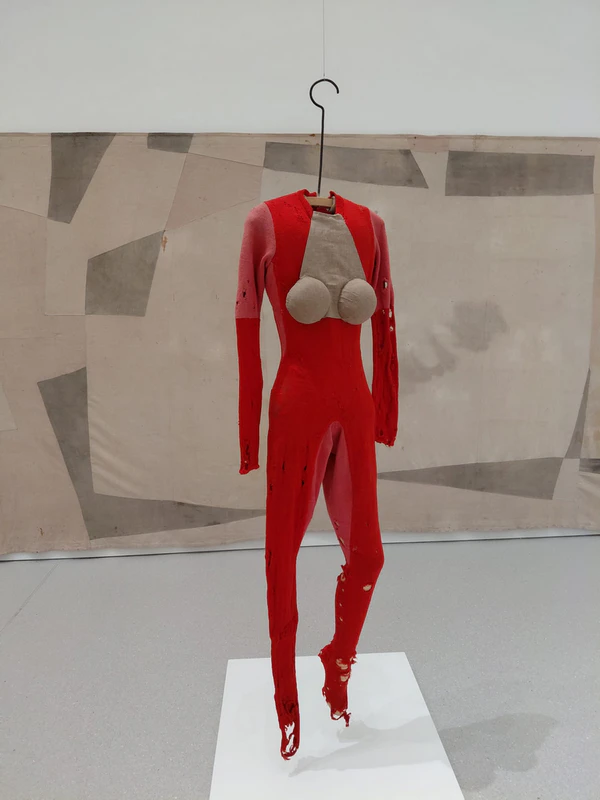
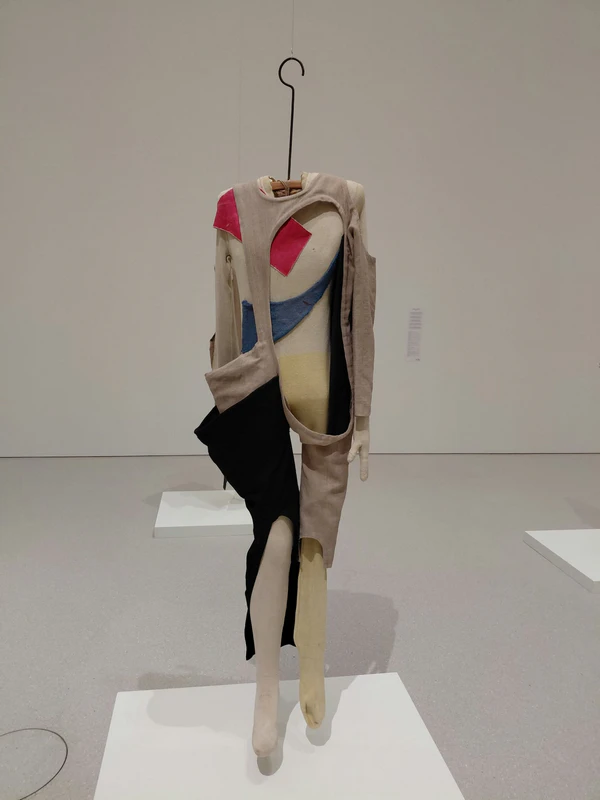
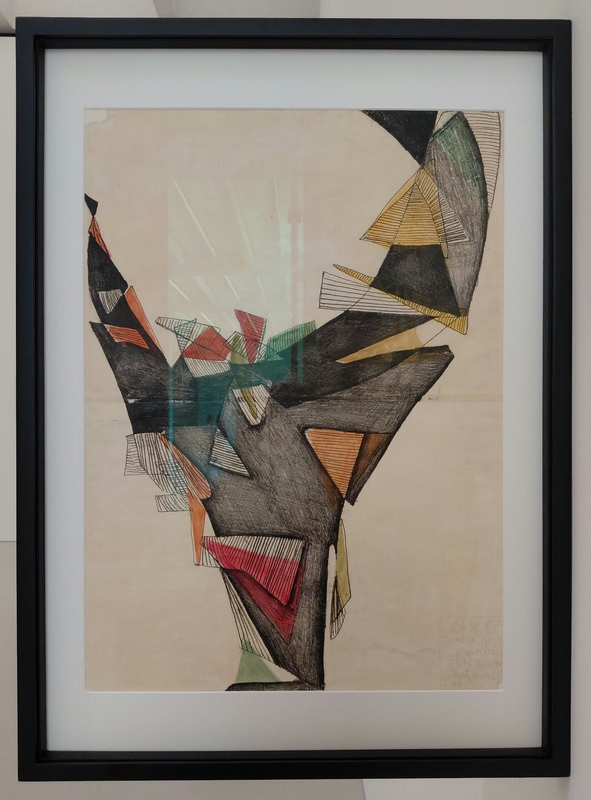
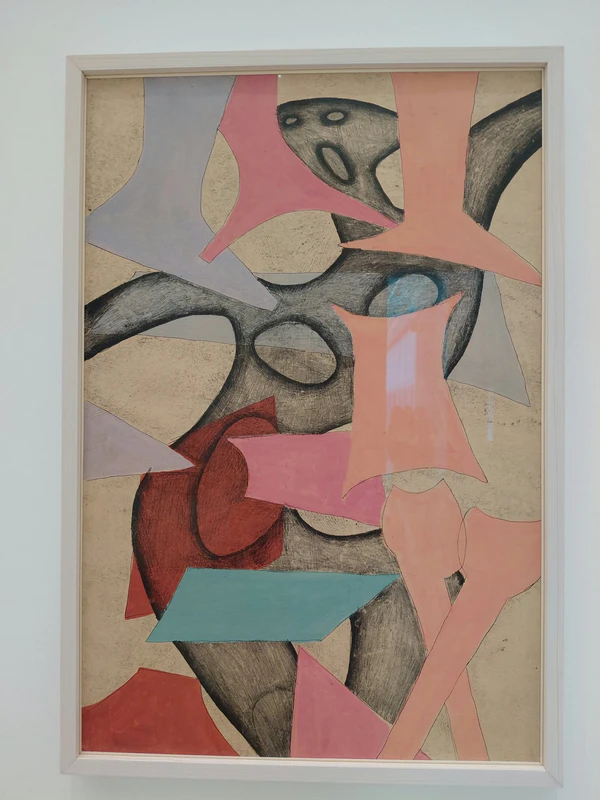
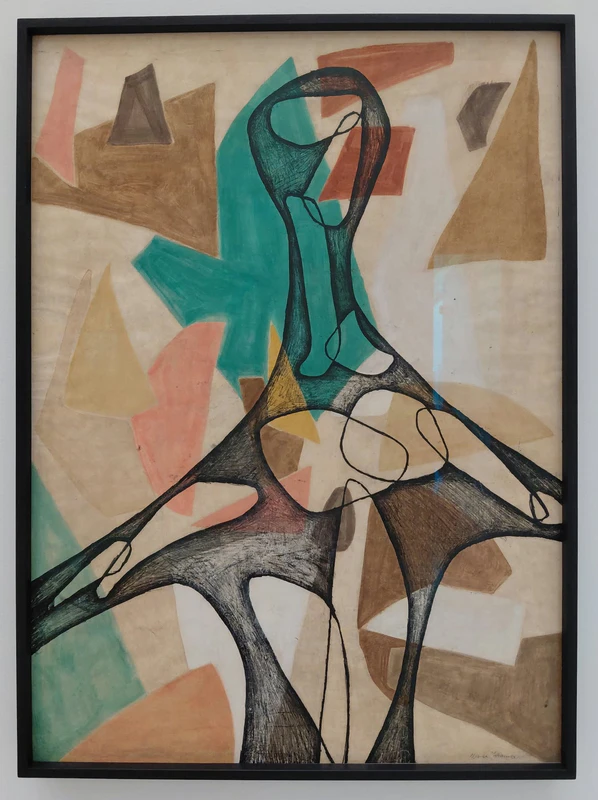
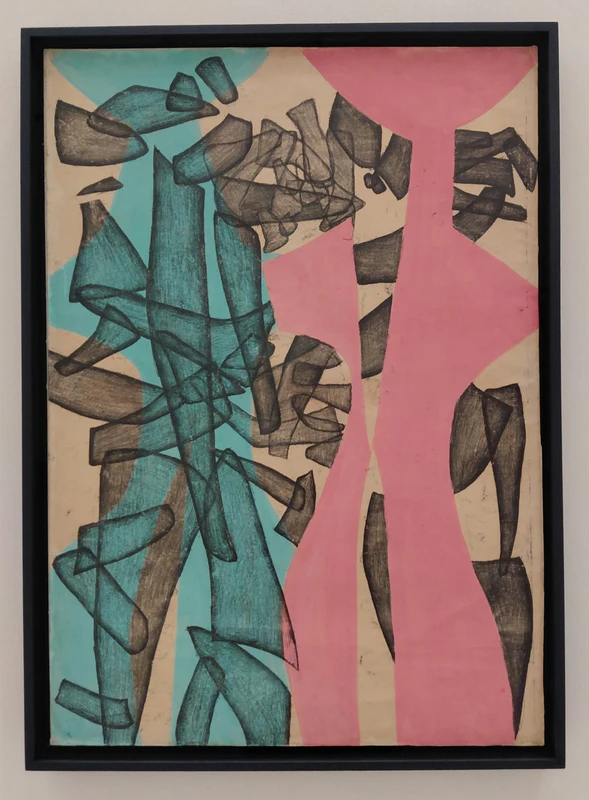
Though Modernism heavily informed her practice, Jarema’s style ultimately eludes rigid categorization. It stands as a deeply personal interpretation of the international art world, viewed through the traumatic lens of wartime and post-war Poland. A sculptor’s acute sensibility for form remains palpable across all her compositions. Her artworks and theatre costumes frequently feature deliberate fractures, tears, layers, and openings—the very physical and conceptual gaps that inspired the title of the exhibition, Fractured Modernism .
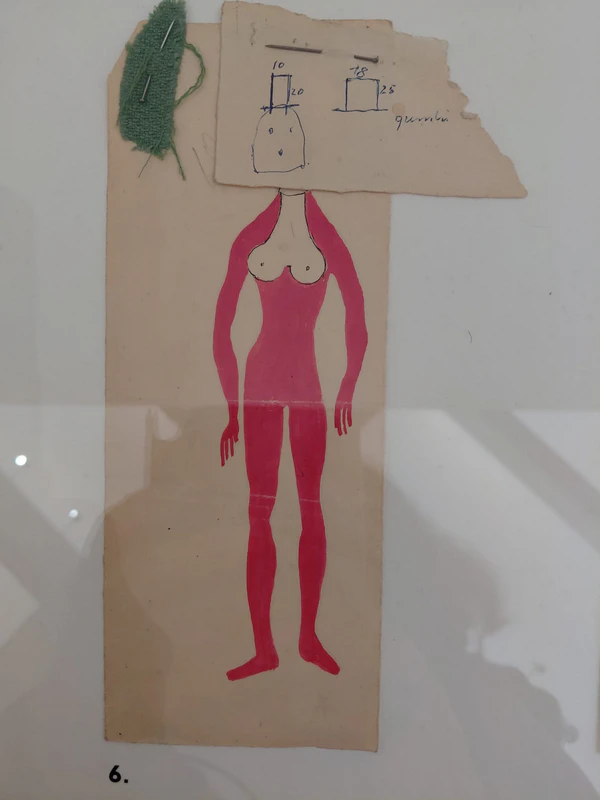
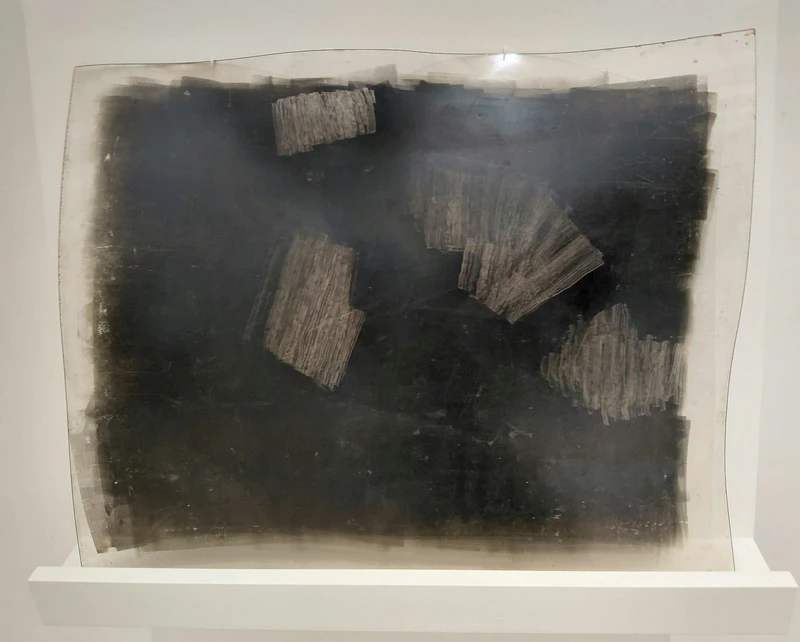
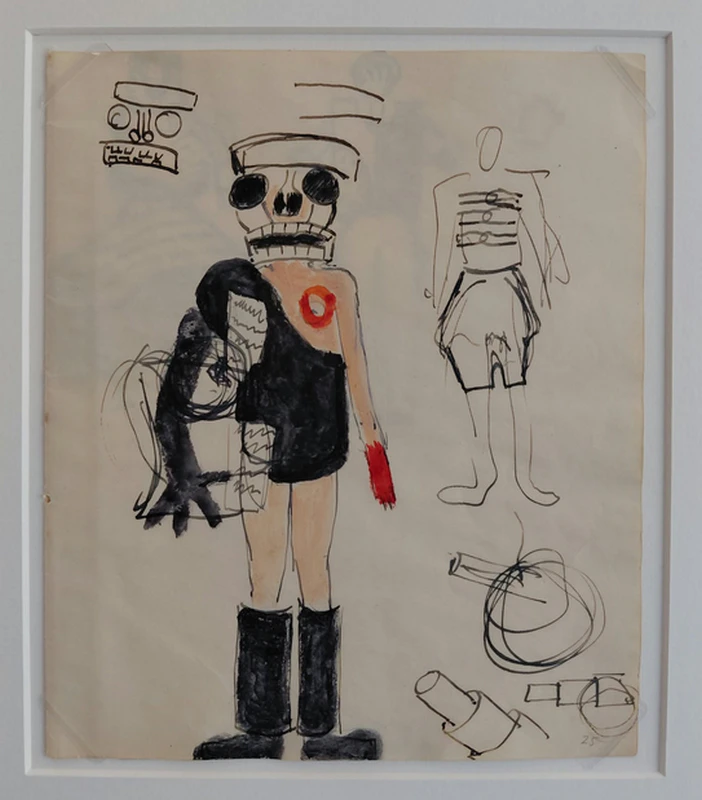
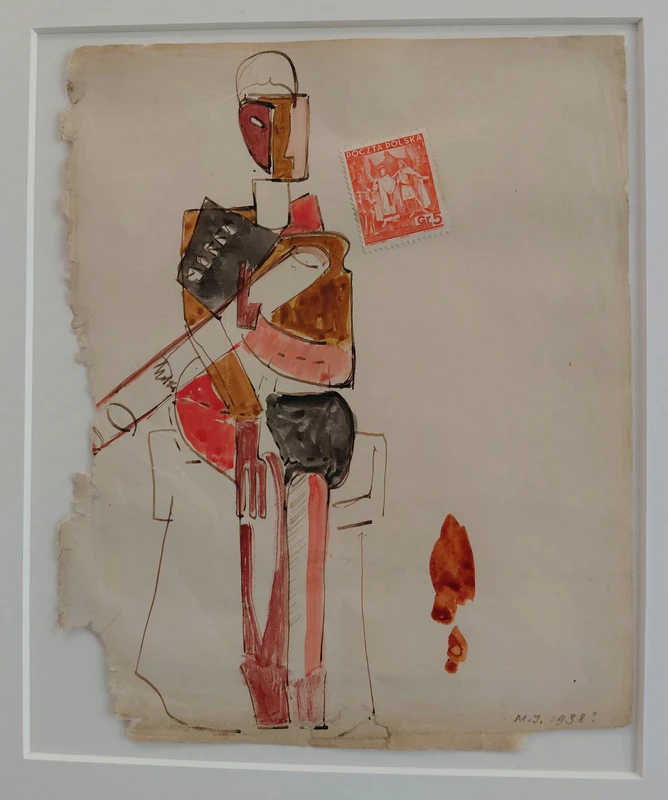
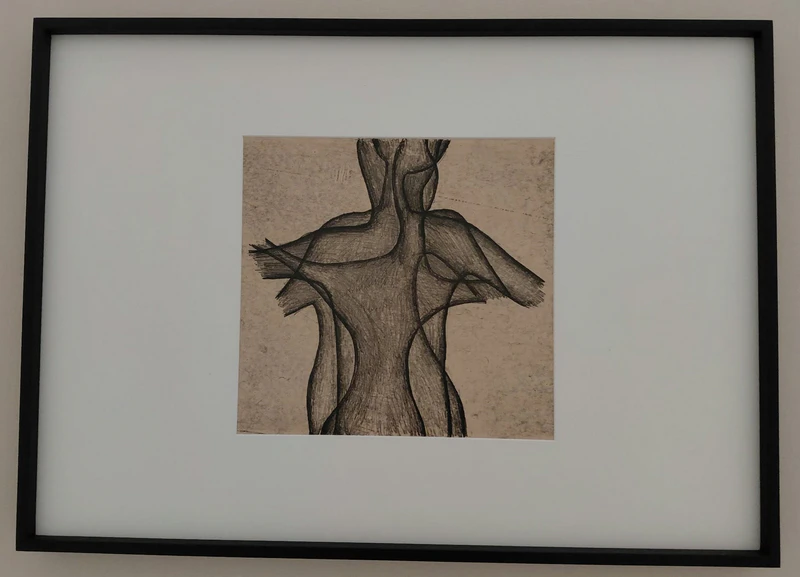
While it was fascinating to see the theatre costumes paired with their original sketches, her striking curtain for the Cricot 2 Theatre, and personal photographs alongside fragments of her writings, it was her prints and monotypes that truly stayed with me . She had no interest in traditional figuration, pivoting entirely toward abstraction. Even when human forms do manifest in her work, they are deliberately abstracted, reduced to organic essences. I found myself deeply moved by these pieces, as well as by Jarema’s absolute determination to remain true to her convictions—both in her life and her art.
Maria Jarema: Fractured Modernism ran at MSN Warszawa from March to June 2026. Curated by Éric de Chassey and Natalia Sielewicz.
May 2026