Into the Wilds of Masuria: Sailing Dobskie and Rajcocha Bay
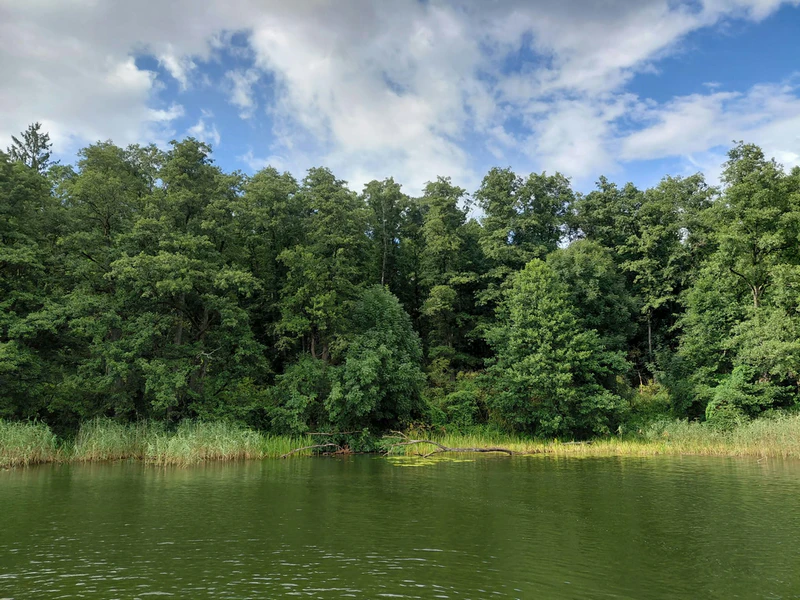
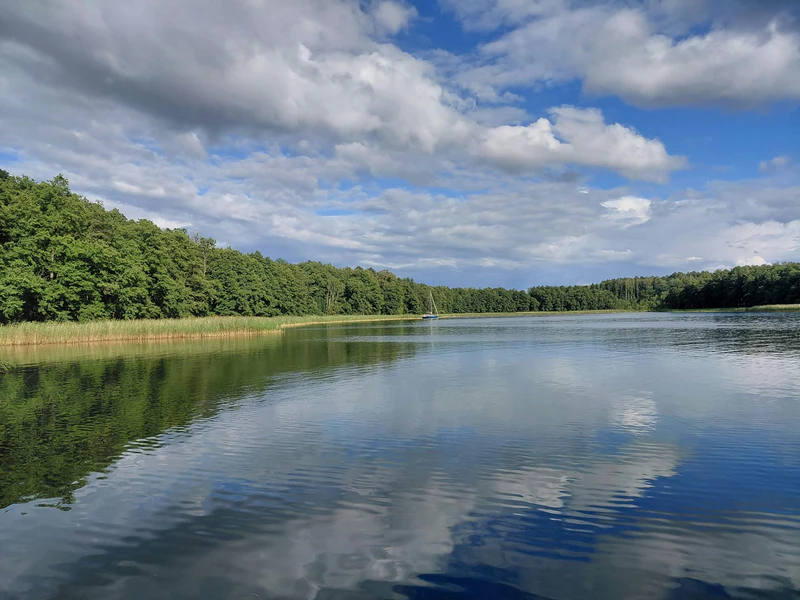
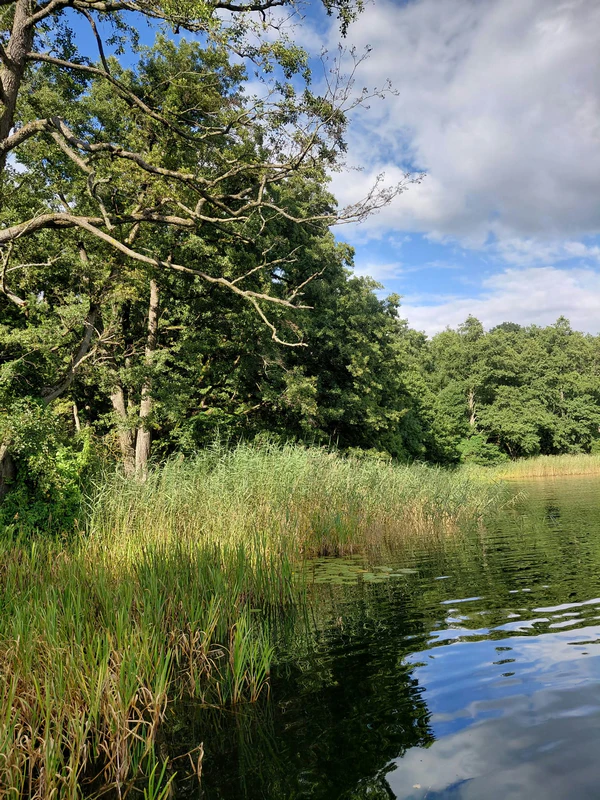
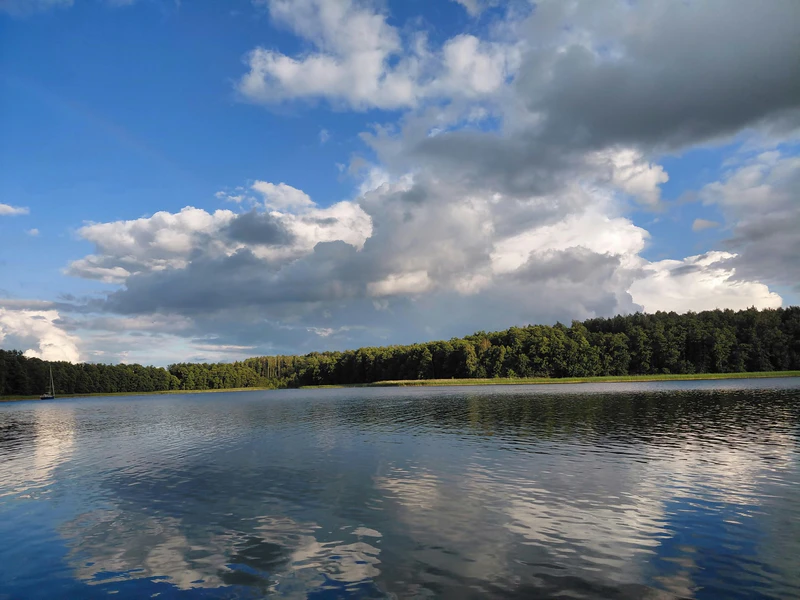
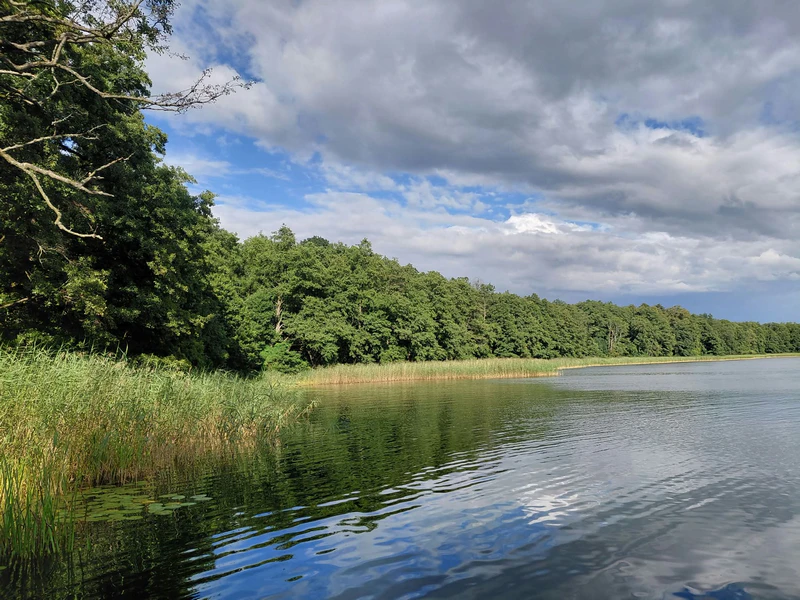
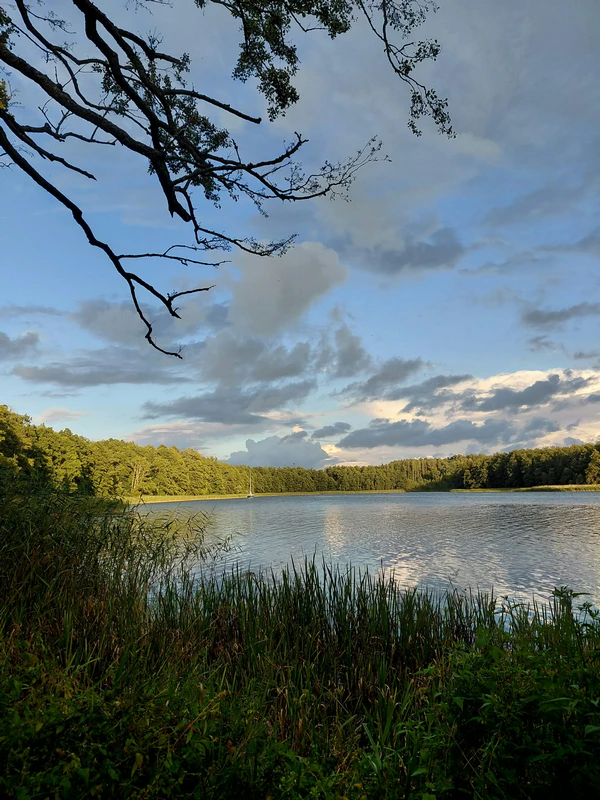
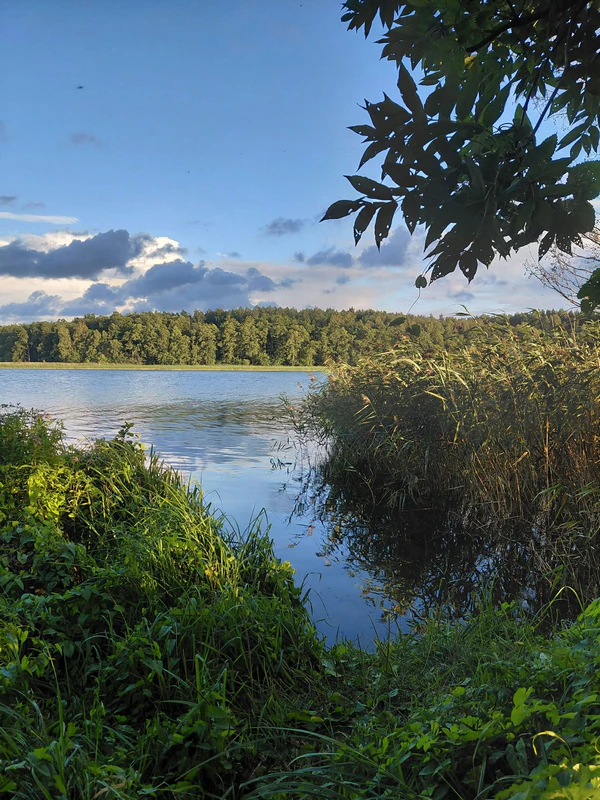
Rajcocha Bay on Lake Dobskie took my breath away. It’s an extraordinary, one-of-a-kind place in Masuria — wild, stunningly picturesque and, without question, my absolute favourite spot in the region. I felt as though I’d stepped into another world. The atmosphere and sheer tranquillity of the bay completely captivated me. Even now, I find myself daydreaming about going back.
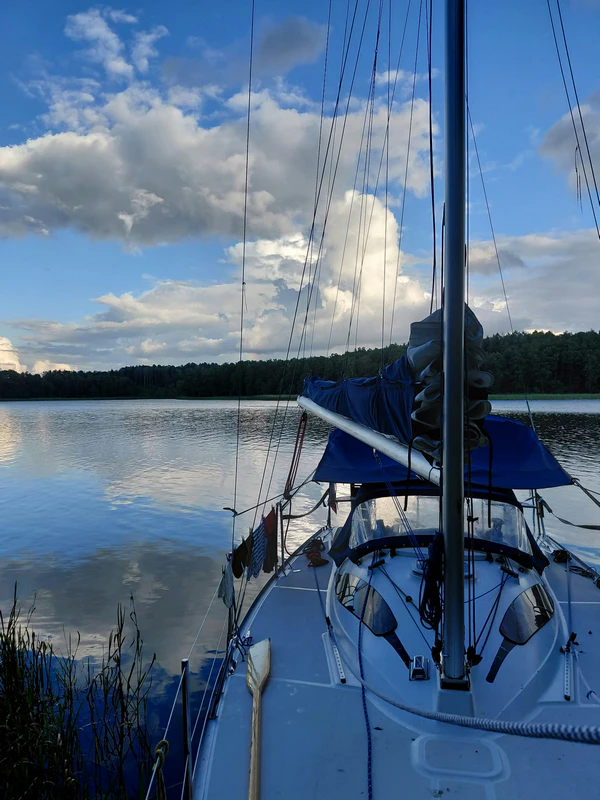
The bay lies at the south-eastern end of Lake Dobskie. Fortunately, it’s not the easiest place to reach. I was lucky enough to be sailing with my friend Ben, an experienced sailor and skipper who was at the helm for this trip. We set off from the marina in Sztynort, heading for Lake Dobskie, which lies away from the main sailing route between Giżycko and Węgorzewo. To get there, we had to cross Lakes Dargin and Łabap. The rain was absolutely hammering down, and we certainly had to work for our miles that day. We entered Lake Dobskie through the narrow passage between Fuledzki Róg and Krzywy Róg. Right in the middle of the passage lies a small, picturesque island called Ilma, also known as Ilmy Wielkie. We passed the island on its north-western side, closer to Krzywy Róg, where we understood the water to be deeper. This is also where the nature reserve begins, bringing with it a strict ban on the use of engines, including electric motors.
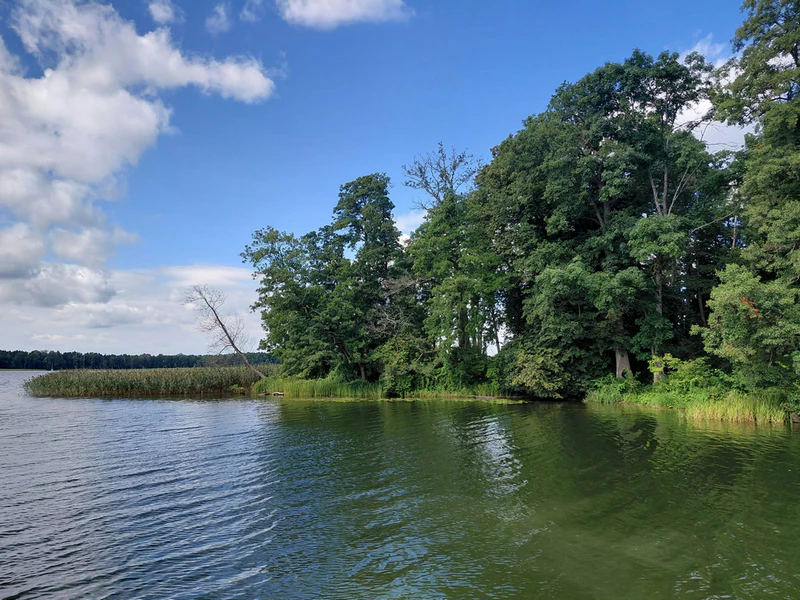
On our way to Rajcocha, we also passed one of the lake’s most distinctive landmarks: Wysoki Ostrów, better known as Cormorant Island, which sits right in the middle of the lake. According to local sailing lore, the island was once covered in tall, lush trees. Looking at its vegetation today, that’s rather hard to imagine. Cormorants and herons nest on the island, and it’s said that their droppings have damaged the trees over the years. Landing on Wysoki Ostrów, or indeed on any of the other islands in Lake Dobskie, is prohibited. Mooring along their shores and going ashore are strictly forbidden too. Rajcocha Bay, also known as Kąt Rajcocha, lies just beyond Cape Dziewiszewski.
If you prefer a proper berth, you can apparently stop at Przystań Rajcocha, where there’s a jetty for visiting yachts. I’ve also heard that there’s a campsite, a bar, toilets and a communal campfire area. We didn’t visit the marina ourselves, though, so I can’t personally confirm any of that.
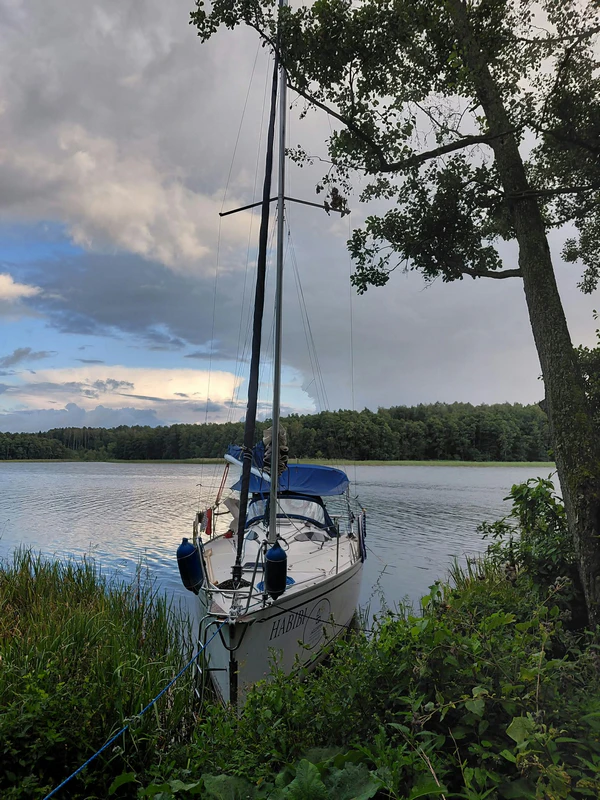
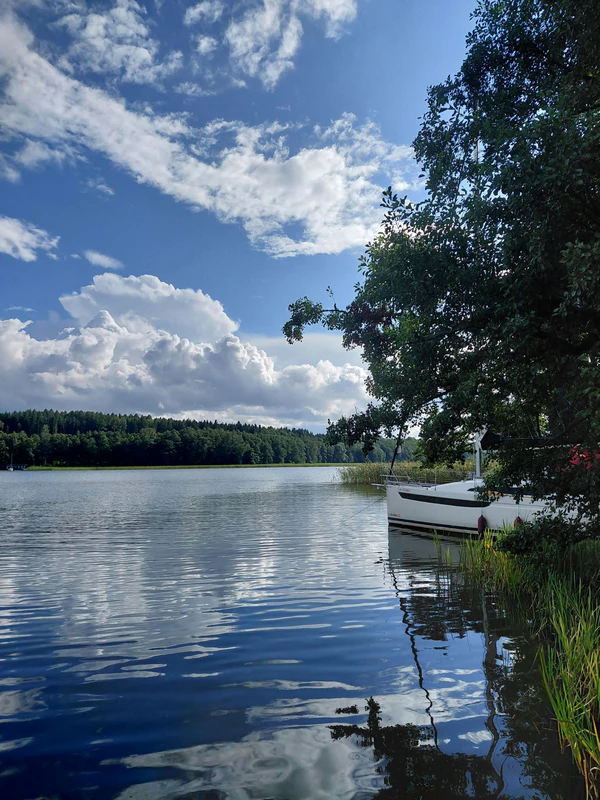
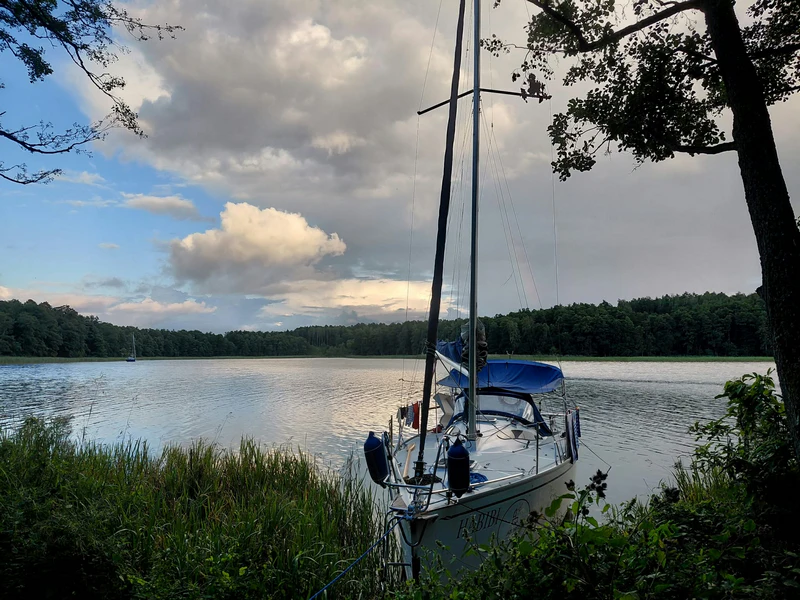
We went for a rather more adventurous option. We headed for the opposite side of the bay, directly across from the marina, and decided to stay out in the wild. We dropped anchor at the last available spot among three traditional lakeside stopping places for sailors, known locally as bindugi. And that’s when something rather magical happened. As we sailed into Rajcocha, it felt as though we’d stepped straight into a film. Within the space of a minute, the entire scene changed. The torrential rain stopped almost as suddenly as it had started, the weather turned glorious and, to top it all off, a rainbow appeared.
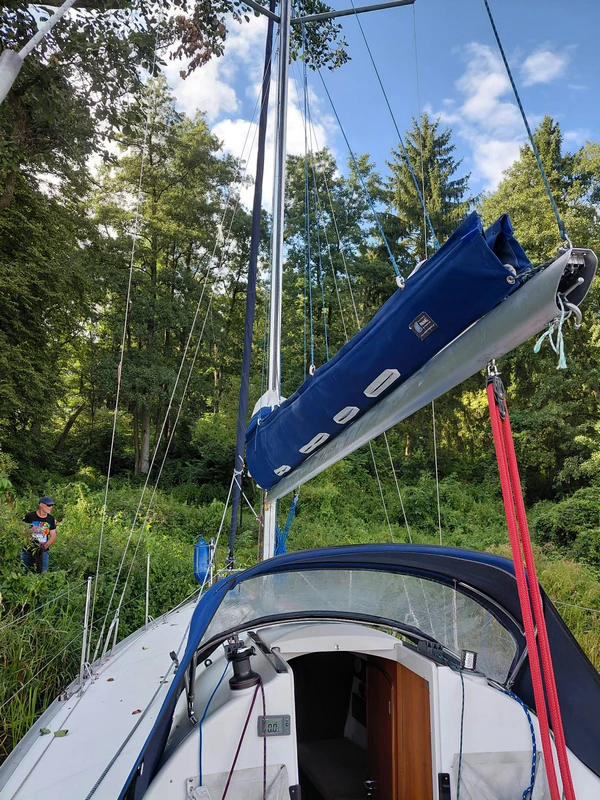
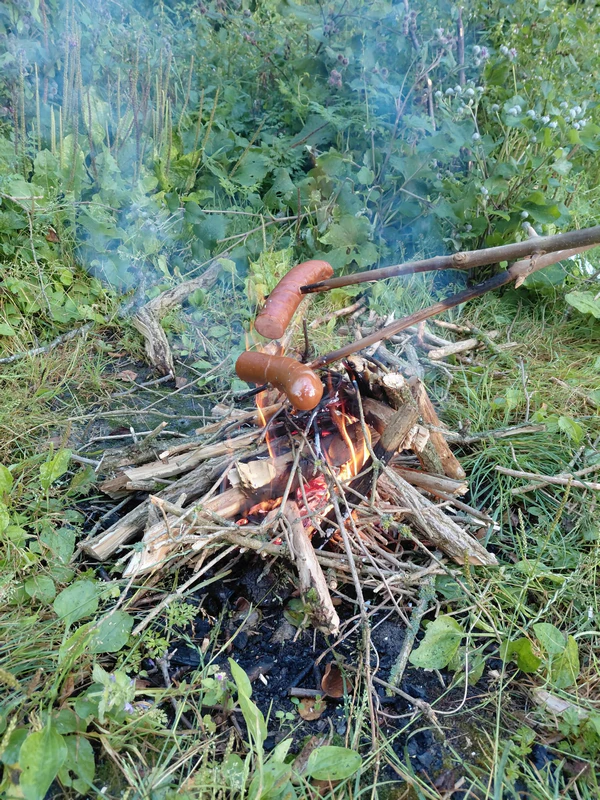
We decided that what we really wanted was a campfire. Easier said than done. The paths leading away from our little spot were so overgrown that we practically had to fight our way through the Masurian wilderness. And after all that rain, almost every piece of wood we found was soaking wet. Finding and carrying back enough reasonably dry kindling to get a fire going turned into quite an expedition. But we managed it in the end, and were rewarded with the simple pleasure of roasting sausages over the flames. At the time, we felt reassured by the fact that the fire spot had already been set aside and the surrounding vegetation was thoroughly soaked.
Afterwards, we enjoyed a lovely swim in the lake before cooking a meal on board and eating it in our own little corner of paradise. The evening and the night beneath the stars left me feeling so blissfully happy that I could hardly sleep. Even among all my sailing memories, this one stands out as something truly special.
There was, however, one thing that really upset me. On one of the overgrown paths leading towards the other two clearings, we came across discarded toilet paper slowly decomposing in the undergrowth. So here’s a heartfelt plea to everyone who visits places like this: please carry a small camping trowel, follow the local rules for disposing of waste and never leave toilet paper behind. It’s up to us, as sailors, to make sure these beautiful wild anchorages stay that way, rather than being trampled and littered.
Rajcocha Bay is one of those rare places in Masuria where you can find complete peace, gaze at the stars in silence, swim in clean lake water and sit around a campfire surrounded by wild, almost untouched nature. For me, Rajcocha is one of my little pieces of heaven on Earth. It’s almost impossible to put into words the feelings this place inspires. It feels like something from the loveliest of dreams — magical, unforgettable and beyond description. Quite simply, poetry brought to life.
August 2026